
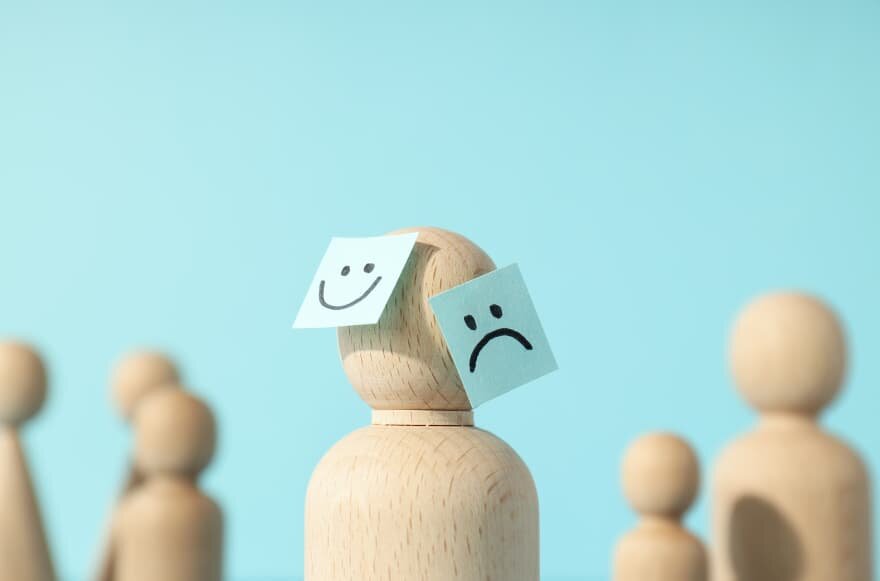
Cognitive-behavioral therapy (CBT) and medication, such as SSRIs, are principal treatment for generalized anxiety disorder. Regular exercise and relaxation techniques also effectively manage symptoms.
Generalized Anxiety Disorder (GAD) can cast a shadow over daily life, fueling persistent worry and tension in everyday situations. Managing this condition requires a multifaceted approach blending professional guidance and lifestyle adjustments. Effective treatment strategies have evolved, driven by clinical research and patient experiences.
For those grappling with anxiety, understanding these top-tier approaches is a beacon of hope. Expert-led interventions, like therapy and pharmaceutical aids, are at the forefront, offering valuable tools for those seeking to navigate the choppy waters of GAD. Incorporating holistic practices, such as mindfulness and balanced nutrition, rounds off the arsenal against anxiety. This insight arms individuals with the knowledge to embark on a journey toward tranquility, empowering them to reclaim the calmness that GAD often unsettles.
Unpacking Treatment for Generalized Anxiety Disorder
Generalized Anxiety Disorder (GAD) affects many people worldwide. It’s a condition that can make everyday life challenging. Let’s delve into understanding GAD more deeply.

Recognizing Symptoms
If you or someone you know is facing constant worry, it could be a sign of GAD. Look for these key symptoms:
- Restlessness or feeling on edge
- Difficulty concentrating, mind going blank
- Irritability that is hard to control
- Unwanted worry that is hard to stop
- Sleep disturbances, trouble falling or staying asleep
Impact On Daily Life
GAD isn’t just about feeling anxious. It can affect your day-to-day activities. Take a closer look at its impact:
| Area of Life | Impact |
| Work | Missed deadlines and absenteeism |
| Social | Withdrawal from social activities |
| Physical Health | Fatigue and muscle tension |
| Mental Health | Increased risk of depression |
Cognitive Behavioral Therapy
Cognitive Behavioral Therapy (CBT) stands as a beacon of hope for those wrestling with Generalized Anxiety Disorder (GAD). This evidence-based treatment tackles the negative thinking patterns that fuel anxiety. Through structured sessions, patients learn to confront and reshape their thoughts and behaviors.
Principles Of Cbt
CBT operates on several core principles:
- Psychological problems are partly due to unhelpful ways of thinking.
- Problems are also based on learned patterns of unhelpful behavior.
- People suffering from anxiety can learn better coping skills.
The process encourages individuals to break down their problems into smaller parts. This makes them easier to manage. Patients actively participate in their healing, as CBT is a collaboration between therapist and patient.
Cbt Success Rates
Studies spotlight the effectiveness of CBT for GAD:
| Study | Success Rate |
| Adults with GAD | Up to 60% |
| Long-term Benefits | Patients maintain gains for years |
The American Psychological Association endorses CBT due to its high success rate. Patients often experience a marked reduction in anxiety symptoms. This improvement is also seen in follow-up studies, suggesting lasting change.
Medication Options
Exploring medication options is a key step for managing Generalized Anxiety Disorder. Different drugs work in various ways to reduce symptoms. For best results, combine with therapy and lifestyle changes.
Antidepressants
Antidepressants often serve as a primary treatment for anxiety. They balance brain chemicals linked to worry and emotion. Selective Serotonin Reuptake Inhibitors (SSRIs) and Serotonin-Norepinephrine Reuptake Inhibitors (SNRIs) are common.
- SSRIs like Escitalopram (Lexapro) and Sertraline (Zoloft).
- SNRIs such as Venlafaxine (Effexor) and Duloxetine (Cymbalta).
Benzodiazepines
Benzodiazepines act quickly to calm nervousness. Ideal for short-term relief. They may cause dependency if used long-term. Examples include Alprazolam (Xanax) and Lorazepam (Ativan).
Emerging Pharmacologies
New drug classes show promise for anxiety treatment. Buspirone is one such example. Research on novel drugs is ongoing, aiming to improve outcomes with fewer side effects.
| Drug Category | Examples | Notes |
| SSRIs | Escitalopram, Sertraline | Balances mood-related chemicals |
| SNRIs | Venlafaxine, Duloxetine | Targets both serotonin and norepinephrine |
| Benzodiazepines | Alprazolam, Lorazepam | Quick relief, risk of dependency |
| Others | Buspirone | Less side effects, used for long term treatment |
Lifestyle Modifications
Lifestyle modifications play a vital role in managing Generalized Anxiety Disorder (GAD). Simple yet impactful changes in daily routines can significantly alleviate symptoms. Daily habits shape overall well-being. Incorporating a few practical strategies into everyday life may reduce anxiety levels and improve mental health.

Dietary Changes
Eating habits have a profound impact on anxiety. Certain foods may heighten stress responses, while others calm the nervous system. To support mental health, consider the following:
- Avoid caffeine and alcohol, as they can trigger anxiety.
- Increase omega-3 intake with fish or supplements to support brain health.
- Stay hydrated with plenty of water throughout the day.
- Choose complex carbohydrates for stable blood sugar levels.
Physical Activity
Regular exercise is key in reducing anxiety. It releases endorphins, natural stress fighters. Aim for these exercise goals:
- Engage in 30 minutes of moderate activity most days.
- Mix aerobic exercises like walking or swimming with strength training.
- Consistency beats intensity; make exercise a daily habit.
Sleep Hygiene
Quality sleep is crucial for anxiety management. Poor sleep can worsen anxiety symptoms. Follow these tips for better sleep:
| Practice | Benefit |
| Maintain a regular sleep schedule | Regulates the body’s clock |
| Create a bedtime routine | Signals the brain it’s time to unwind |
| Keep the bedroom cool and dark | Promotes restful sleep |
| Avoid screens before bedtime | Minimizes exposure to stimulating blue light |
Stress Management Techniques
Feeling anxious sometimes is a part of life. But too much worry can affect our health. To keep anxiety away, stress management is key. Here we explore three techniques that help. These are simple and can fit into your daily routine. They help your body and mind to relax. Try them and breathe easier. Your mind will thank you.
Mindfulness
Mindfulness calms your thoughts. It’s about living in the now. To practice, find a quiet spot. Sit down. Pay attention to what’s happening at the moment. Notice your breath. Feel your feet on the ground. Listen to the sounds around you. Observe your thoughts but don’t judge them. Mindfulness can be as short as a few minutes. It’s powerful for easing anxiety.
Deep Breathing
When you feel tense, deep breathing helps a lot. It’s easy to do. Sit in a comfortable position. Close your eyes. Breathe in slowly through your nose. Fill your lungs. Hold the breath for a count of four. Then, let it out slowly through your mouth. Repeat several times. Do this daily to lower stress levels. You can practice deep breathing anywhere and anytime you need.
Progressive Muscle Relaxation
Relax your muscles to relax your mind. Start at your toes. Make them tight. Hold for a count of five. Let go. Feel the tension leave your body. Move up to your knees. Then to your hips. Go all the way to your shoulders and face. By the end, your whole body feels lighter. Practice this technique especially before bed. It can lead to a better night’s sleep.
These stress management techniques work wonders for anxiety. Add them to your daily habits. See your worry levels go down. Remember, to keep your mind healthy, keep your body relaxed.
Psychoeducation
Psychoeducation plays a crucial role in managing Generalized Anxiety Disorder (GAD). It equips individuals with the knowledge and tools to better understand their condition. Mastering the fundamentals of anxiety helps in recognizing patterns and applying effective strategies to cope with daily challenges. Let’s explore the transformative power of psychoeducation.
Understanding Triggers
Identifying what sparks anxiety is a major step towards managing GAD. Through psychoeducation, individuals learn to:
- Monitor emotions and situations closely
- Create a trigger journal to record anxiety episodes
- Spot patterns in what causes stress and worry
Personal reflection and professional guidance reveal specific triggers. This awareness enables targeted and personalized treatment strategies.
Learning About Anxiety
Understanding anxiety demystifies the experience of GAD. Through psychoeducation, you’ll discover:
- How anxiety affects mind and body
- The role of neurotransmitters in anxiety
- Different types of anxiety disorders
With knowledge comes power—the power to anticipate reactions and to engage in self-care. Education paves the way for informed decisions about treatment and lifestyle changes.
Support Groups
Many people with Generalized Anxiety Disorder (GAD) find strength in numbers. This is where support groups become vital. Support groups provide a safe space to connect with others facing similar challenges. You are not alone in this journey. Let’s explore how finding community and sharing experiences can be powerful treatments for GAD.
Finding Community
Locating a support group is the first step to finding your community. You can search online or ask healthcare providers for recommendations. Most groups are free to join. They meet regularly in various settings. These can include community centers, hospitals, or through online platforms. Being part of a group fuels your sense of belonging. It boosts your courage to face anxiety.
Sharing Experiences
In a support group, you share your story and listen to others. This exchange has many benefits. You learn new coping strategies. You realize your feelings are normal and valid. Members cheer each other on. They understand your struggles without judgment. A problem shared is a problem halved. By talking through anxieties, the weight on your shoulders lightens.
Exposure Therapy
Struggling with generalized anxiety disorder (GAD) means facing constant worry. Exposure Therapy stands out among strategies to confront these fears. This treatment gently but steadily introduces patients to anxiety triggers. Over time, it can help reduce the power these triggers hold.
Desensitization Process
Desensitization in Exposure Therapy involves a step-by-step approach. Patients start with less intimidating situations. As their tolerance grows, they are exposed to more challenging anxiety triggers. The aim is a gradual reduction in anxiety levels. Think of it as climbing a ladder, one rung at a time.
- Initial Assessment: A therapist identifies specific anxiety triggers.
- Gradual Exposure: The patient encounters triggers in controlled environments.
- Stress Reduction Techniques: Breathing and visualization help manage reactions.
- Repeated Sessions: Regular exposure assists in building resilience.
Real-life Application
Applying Exposure Therapy to real-life situations is crucial for success. The therapy transitions from the therapist’s office to the real world. Patients test their new skills in everyday scenarios. They might begin by walking near a place that causes stress. With time, they may enter that space, staying longer with each visit.
| Stage | Action | Goal |
| 1 | Outline real-life anxiety scenarios | Identify targets for exposure |
| 2 | Scheduled Exposure | Controlled confrontation with triggers |
| 3 | Gradual Increase in Difficulty | Enhanced tolerance to anxiety |
Consistency is key. Over time, patients regain control over their anxiety. They experience a marked improvement in their day-to-day lives.
Alternative Therapies
Alternative therapies offer a different approach to managing Generalized Anxiety Disorder (GAD). They can be both soothing and beneficial. Used alone or with other treatments, they may help reduce anxiety. Let’s explore how acupuncture and aromatherapy might fit into a treatment plan.

Acupuncture
Acupuncture, rooted in traditional Chinese medicine, involves inserting thin needles into the skin. This can help manage anxiety symptoms by:
- Stimulating the nervous system to release chemicals in the brain, muscles, and spinal cord.
- Activating natural painkillers in the body like endorphins.
- Improving muscle relaxation and joint movement.
Many find acupuncture to be a tranquil experience. It can help restore balance within the body. The evidence for its effects on GAD is growing, making it a popular alternative therapy.
Aromatherapy
Aromatherapy uses essential oils to improve health and well-being. Oils can be inhaled or applied topically. Here are the benefits of anxiety:
- Lavender oil might calm the mind and reduce stress.
- Chamomile oil is considered a relaxant, often used for stress relief.
- Bergamot oil may lift mood and alleviate symptoms of anxiety.
Essential oils used in aromatherapy, when chosen carefully, often have few side effects. They provide a simple, natural way to aid in managing anxiety.
Continued Care And Relapse Prevention
After finding relief, it’s crucial to prevent anxiety from returning. Continued care makes this possible. It helps maintain the hard-earned progress. It ensures that coping strategies stay sharp. We must be ready if anxiety tries to sneak back.
Long-term Strategies
Consistency with treatment is key. Stick to routines set by healthcare providers. Maintain regular sessions even when feeling well. Review coping strategies often. Adjust them as life changes. Practice self-care daily.
- Mindfulness: promotes present-moment awareness.
- Exercise: reduces stress hormones in the body.
- Healthy Sleep: refreshes the mind and body.
- Support Network: family and friends can provide comfort.
When To Seek Further Help
Know the signs of a possible relapse. These include increasing worry or avoiding situations. When symptoms start to reappear, reach out. Don’t wait. Call your therapist or support group. Consider a medication review if needed.
| Sign | Action |
| Rising Anxiety | Book a therapy session |
| Sleep Disturbances | Consult a doctor |
| Physical Symptoms | Seek medical advice |
| Avoidance Behavior | Talk to a support person |
Conclusion
Navigating the journey of managing generalized anxiety disorder is deeply personal. The ten treatments we’ve explored offer various paths to relief and greater tranquility. Remember, consultation with healthcare professionals is key to tailoring a plan suited to your needs. Embracing these strategies can empower you toward a life with less anxiety and more peace.


